

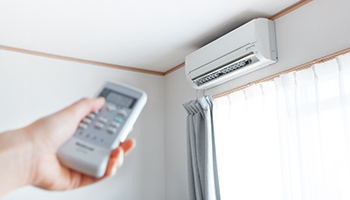
East Longmeadow homes present specific structural and electrical challenges that standard heating and cooling installations fail to address. When you live in an established neighborhood near the rotary or own a classic mid-century home off Somers Road, you face solid framing, plaster walls, and older 100-amp electrical panels that cannot accommodate conventional ducted central air. Ductless mini-split installation in East Longmeadow solves this problem by delivering targeted thermal comfort directly to your living zones without demanding invasive ductwork. You bypass the structural compromises of forced-air duct routing while upgrading your mechanical infrastructure to handle humid Pioneer Valley summers and sub-zero winter cold snaps.
Achieving maximum efficiency demands precise planning from licensed electricians who understand local building stock. Whether you convert a sunroom, supplement an aging hydronic boiler, or replace an oil-burning furnace entirely, ductless heat pumps yield year-round efficiency. By partnering with skilled technicians for Professional Mini-Split Installation Services, you gain precision climate control that cuts utility costs while modernizing your residential electrical safety profile.
Core Infrastructure Factors for East Longmeadow Mini-Splits
Installing a ductless system in Western Massachusetts requires deliberate assessment of thermal loads, physical mounting points, and structural constraints. You must account for how local architectural conventions interact with modern heating and cooling technology. Homes throughout the region feature varying construction eras, ranging from early twentieth-century colonials with true two-by-four timber to sprawling ranch properties built in the late 1960s. Each home style dictates a customized path for line set penetrations, condensation drainage, and electrical circuits.
- Structural Wall Integrity: Plaster-and-lath interiors require specialized anchor assemblies, whereas drywall framing permits rapid stud mounting for indoor air handlers.
- Moisture and Drainage Management: Gravity-assisted condensate drains prevent moisture buildup within your walls, though specific multi-story layouts require miniature internal condensate pumps.
- Exterior Setback Compliance: Local zoning bylaws mandate precise clearances from property lines and adjacent residential structures when anchoring outdoor condensing units.
- Winter Elevation Requirements: East Longmeadow experiences substantial winter snowpack, necessitating heavy-duty wall brackets or elevated ground stands to keep outdoor coils clear of snowdrifts.
Failing to plan for these local environmental elements causes premature compressor failure and interior water leaks. A professional installer addresses each variable before cutting a single opening in your wall.
Electrical Capacity and Panel Sizing for Heat Pump Equipment

You cannot install modern inverter-driven heat pumps without confirming that your home panel possesses adequate ampacity. Many homes in the area operate on outdated 100-amp or 150-amp main service panels that already run close to total capacity when your electric range, clothes dryer, and water heater operate simultaneously. Each outdoor compressor unit requires a dedicated 240-volt double-pole circuit, with circuit breakers sized between 15 and 45 amps depending on the rated tonnage and compressor count.
Before mounting indoor evaporators, your technician must perform a formal load calculation in accordance with National Electrical Code Article 220. If your main panel lacks physical breaker space or available ampacity, you risk nuisance tripping and hazardous thermal stress on aging bus bars. Upgrading your service through Precision Electrical Services eliminates these fire hazards. The master electrician installs an exterior weather-resistant safety disconnect within sight of the condenser, runs code-compliant liquid-tight conduit, and introduces surge protection devices to safeguard sensitive circuit boards from local grid fluctuations.
Cold Climate Heat Pump Performance and Efficiency Benchmarks
Homeowners often wonder if ductless equipment can sustain comfort during harsh New England winters without fossil fuel backup. Modern cold-climate heat pumps employ variable-speed inverter compressors that modulate speed in micro-increments rather than cycling on and off. Research published by the Northeast Energy Efficiency Partnerships confirms that advanced cold-climate air-source heat pumps maintain up to 100 percent of their rated heating capacity at temperatures as low as 5 degrees Fahrenheit, operating efficiently even when ambient outdoor temperatures plunge down to minus 15 degrees Fahrenheit.
| Metric / Feature | Standard Heat Pump | Cold-Climate Inverter Unit | Operational Advantage for Homeowners |
|---|---|---|---|
| SEER2 Rating | 14.0 to 16.0 | 20.0 to 30.0+ | Reduces summer electricity consumption by up to 40 percent. |
| HSPF2 Rating | 7.5 to 8.5 | 10.0 to 14.0 | Maintains efficient heat output during extended freezing conditions. |
| Low-Temp Performance | Drops output below 32°F | Full output down to 5°F | Eliminates dependence on secondary baseboard or fossil fuel heat. |
| Compressor Control | Single or two-stage | Variable-speed inverter | Prevents noisy temperature swings and eliminates large inrush currents. |
| Auxiliary Heat Strips | Frequently required | Rarely needed | Avoids costly resistance heating that spikes monthly utility bills. |
The operational data shows that investing in cold-climate equipment delivers dependable thermal stability while drastically lowering your seasonal kilowatt-hour consumption.
Single-Zone Versus Multi-Zone Engineering Decisions
Choosing between independent single-zone compressors and a unified multi-zone condenser requires balancing redundancy against equipment costs. A single-zone setup matches one outdoor condenser directly to one indoor air handler. A multi-zone setup powers up to five indoor heads using a single outdoor unit. When you design a layout for a split-level or cape home, you must weigh how each configuration influences comfort, efficiency, and ongoing maintenance.
The Mechanical Trade-Offs of Multi-Zone Systems
Multi-zone systems conserve exterior ground space and reduce the quantity of outdoor units surrounding your home. However, multi-zone installations present specific operational compromises. When one multi-zone compressor fails, your entire home loses cooling and heating simultaneously. Furthermore, minimum compressor turndown ratios mean that running a single small bedroom unit can force the large outdoor unit to cycle inefficiently. Placing multiple dedicated single-zone compressors often delivers higher cumulative seasonal efficiency ratings and provides built-in redundancy for critical living spaces.
Preserving Neighborhood Aesthetics and Line Set Architecture
East Longmeadow features distinct neighborhoods with high pride of ownership, from quiet cul-de-sacs near Heritage Park to properties along Westwood Avenue. Running exposed refrigerant lines, drain pipes, and high-voltage wiring across your exterior siding diminishes your curb appeal and leaves lines exposed to weather hazards. Professional technicians use UV-rated, paintable line hide enclosures that match your exterior paint or vinyl siding profile, concealing all copper piping, control wiring, and insulation.
Route selection demands equal precision. Indoor units produce condensed water that must drain cleanly outside via gravity whenever feasible. Unnecessary elbows in refrigerant line runs cause pressure drops that reduce overall system capacity. Homeowners seeking East Longmeadow: Dedicated Electrical Solutions receive thorough site assessments that plot shortest-path line runs, ensuring quiet indoor performance and neat exterior appearances comparable to modern installations in neighboring Westfield or Sunderland.
Decarbonization, Operational Savings, and Mass Save Incentives
Transitioning from delivered heating fuels such as oil or liquid propane to electric heat pumps delivers immense long-term economic dividends. Fuel oil equipment suffers from burner inefficiencies, recurring fuel deliveries, and fluctuating per-gallon pricing. In contrast, ductless mini-splits transfer heat rather than generating it through combustion, delivering up to three units of heat energy for every single unit of electrical energy consumed. This dynamic shields you from sudden fossil fuel market price shocks.
- Whole-Home Rebates: Massachusetts clean-energy initiatives provide up to 10,000 dollars in Mass Save incentives when you displace an aging oil or propane system with certified cold-climate heat pumps.
- Partial-Home Incentives: Homeowners retaining existing boilers can access substantial partial rebates when adding targeted mini-splits to supplement secondary additions.
- Federal Tax Credits: Inflation Reduction Act provisions permit homeowners to claim up to 30 percent of total project costs through the Energy Efficient Home Improvement Credit.
- Room-by-Room Control: You avoid paying to condition unused spaces by controlling temperatures room-by-room with independent wireless thermostats.
These combined financial incentives accelerate your return on investment while modernizing your property value for future buyers.
Commissioning Standards and Electrical Experts Service Delivery
A flawless mini-split installation relies on uncompromising technical commissioning protocols. Cutting corners on evacuation or electrical torque leads to premature equipment breakdowns. Our licensed team performs triple evacuations using digital vacuum gauges down to 500 microns to extract every trace of atmospheric moisture from the copper lines. We conduct static high-pressure nitrogen tests at 500 PSI for twenty-four hours to prove joints remain leak-free before releasing factory refrigerant. We also calibrate electrical terminal connections with precision torque screwdrivers to prevent loose wiring connections and ensure long-term system stability.
Protect your investment by hiring licensed professionals who manage every stage of mechanical placement and electrical interconnectivity. Contact Electrical Experts today at 413-276-4787 to discuss your project specifications. When you are ready to upgrade your indoor living environment, simply Contact Us or effortlessly Schedule Online to book your professional home evaluation.
Frequently Asked Questions
Do I need to upgrade my electrical service to install a ductless mini-split?
Most homes need a dedicated 240-volt circuit for each outdoor heat pump unit. If your main electrical panel is already at capacity or uses an older 100-amp service, you may need a subpanel or a main service upgrade to support the equipment safely. An electrician calculates your home electrical load before installation begins.
How do ductless mini-splits perform during sub-zero Massachusetts winters?
Cold-climate heat pumps feature specialized inverter-driven compressors designed to operate at full heating capacity down to 5 degrees Fahrenheit and continue producing heat at minus 15 degrees. They extract ambient heat energy from outdoor winter air and circulate it inside without relying on electric resistance heat strips. This engineering ensures continuous comfort during the coldest regional freezes.
Where should the indoor air handlers be placed on my walls?
Technicians mount indoor units high on exterior or interior walls, typically eight to twelve inches below the ceiling to optimize air circulation and clearance for filter changes. Installers locate units away from direct sunlight, televisions, and steam sources to ensure precise thermostat sensor readings. The chosen location must also allow for clean refrigerant line access and a downward-sloping drain line.
Can I heat and cool an entire house using only mini-splits?
Yes, many homeowners in Western Massachusetts completely replace central oil, propane, or baseboard heating with multi-zone ductless heat pump networks. Designing a whole-home system requires accurate room-by-room heat load calculations to match each zone with the correct capacity. When sized correctly, whole-home configurations maintain steady indoor temperatures all year long.
How frequently do ductless heat pumps require maintenance?
You should remove and wash the reusable air filters inside each indoor unit every four to six weeks to maintain unrestricted airflow. A licensed technician should inspect the electrical connections, check refrigerant pressures, clear condensate drain paths, and sanitize the coil assemblies at least once per year. Regular maintenance protects the manufacturer warranty and keeps operating efficiency at peak levels.
How long does a professional mini-split installation take to complete?
A single-zone system installation typically takes one full day of work to complete, including line set routing, mounting, vacuum testing, and final electrical connections. Complex multi-zone projects that cover three to five rooms across several levels usually require two to three days on site. Technicians perform all work with minimal interruption to your daily routine.
