

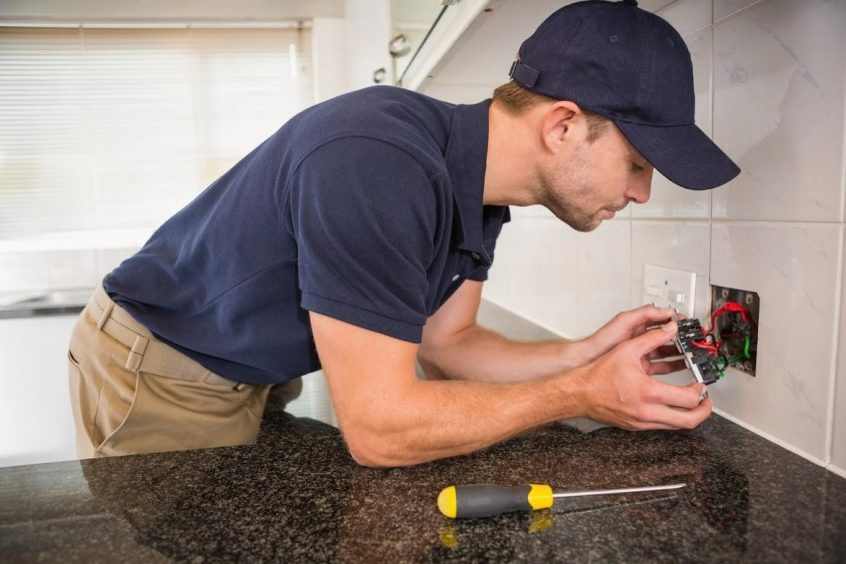
You want to know two things immediately before investing in basement moisture control: the financial investment required and the time needed to complete the installation. Most Greenfield homeowners spend between two thousand and three thousand five hundred dollars for a complete, code-compliant installation. The physical installation itself takes roughly two to four hours from arrival to final electrical verification. You gain an immediate drop in relative humidity and permanent air exchange without recurring filter purchases or daily water bucket disposal.
The Economics and Installation Timeline of E-Z Breathe in Greenfield
When you evaluate whole-home moisture remediation, capital expenditure represents only half of the financial equation. Traditional dehumidification units pull upwards of 600 to 800 watts continuously, adding thirty to fifty dollars to your monthly electric bill. By contrast, an E-Z Breathe unit draws approximately forty watts, equivalent to a standard LED household bulb, costing between four and six dollars per month in electricity. Greenfield: Your Local Electrical Services Specialist provides certified technicians who evaluate your foundation structure, execute precision diamond coring through exterior rim joists, and establish dedicated electrical circuits within a single morning appointment.
- Initial physical site assessment and static air pressure baseline measurement take thirty minutes.
- Precision exterior exhaust port coring and thermal perimeter sealing take forty-five minutes.
- Apparatus mounting, vertical intake duct assembly, and exhaust routing require forty minutes.
- Dedicated circuit connection, voltage stability testing, and calibrated airflow balancing finish in thirty-five minutes.
By replacing heavy mechanical refrigeration compressors with low-resistance exhaust ventilation, you eliminate compressor burnout risks entirely. The system operates on a continuous, whisper-quiet duty cycle that moves stagnant damp air directly outside while drawing conditioned, drier air down from upper levels.
How the Stack Effect Magnifies Subterranean Humidity
Your home behaves like a thermal chimney through a physical process known as the stack effect. Warm air naturally rises toward your attic and upper levels, escaping through ceiling penetrations, recessed fixtures, and roof vents. This rising thermal mass creates negative air pressure inside your lower foundation, pulling soil gasses, water vapor, and damp subterranean air directly through porous concrete and stone masonry. When you close basement windows during hot summers or freezing winters, you seal these volatile moisture pockets inside your structural envelope.
As moisture accumulates, relative humidity levels regularly surpass sixty-five percent. This threshold triggers rapid spore activation, structural timber rot, and musty odor migration into living rooms and bedrooms. Standard box fans merely churn this saturated air within the boundary layer, failing to break the pressure gradient. Investing in Optimal E-Z Breathe Systems reverses this dynamic by mechanically depressing basement air pressure below outdoor atmospheric levels, which expels stale, heavy humidity at floor level before it ascends into living areas.
E-Z Breathe Mechanics Versus Traditional Dehumidifiers
Standard residential dehumidifiers condense moisture by chilling incoming air across refrigerant coils, retaining collected water in reservoirs that overflow or harboring biofilm inside stagnant drainage hoses. These units recirculate identical, exhausted air without altering subterranean gaseous concentrations or removing microscopic airborne particulates. Furthermore, compressor-based units release noticeable sensible heat into your basement, creating a warm, muggy microclimate that actually accelerates specific fungal blooms.
The E-Z Breathe system functions on an entirely different aerodynamic principle. Rather than conditioning dirty basement air in place, it acts as a whole-house air exchanger by exhausting the heaviest, most contaminated air from the lowest stratum of your floor. The unit generates an engineered air exchange rate of roughly five to ten air changes per day across a typical residential basement, venting cold moisture, chemical vapor, and particulate matter outside. The following operational matrix illustrates the performance differentials:
| Operational Metric | Traditional Portable Dehumidifier | E-Z Breathe Ventilation Unit |
|---|---|---|
| Average Power Consumption | 480 to 750 Watts | 38 to 44 Watts |
| Air Exchange Capability | 0 CFM fresh air (closed loop) | Up to 212 CFM actively exhausted |
| Maintenance Demand | Daily emptying or continuous pump service | Zero maintenance, no filters to wash or replace |
| Targeted Stratum | Mid-height ambient air | Lowest 12 inches of floor-level damp air |
| Coverage Footprint | 500 to 1,200 square feet per unit | Up to 7,000 square feet per unit |
This systematic displacement fundamentally stabilizes the building boundary without relying on chemical refrigerants, frozen coils, or maintenance-intensive mechanical pans.
Addressing Greenfield Soil Profiles and Regional Climate Challenges
Franklin County features river valley loam, dense glacial till, and heavy clay deposits that retain immense volumes of hydrostatic moisture. In Greenfield, prolonged seasonal freezes trap winter groundwater beneath surface frost lines, pushing moisture sideways against stone foundations and poured-concrete cellar walls. During humid summer stretches, dew points routinely peak in the seventies, causing warm outdoor air to condense immediately upon contact with cool sub-grade surfaces.
Many local architectural styles, including classic New England farmhouses and mid-century colonials, feature fieldstone or uninsulated cinder block basements. These structures act as moisture sponges under local hydrostatic pressure. Passive foundation vents often worsen summer conditions by allowing ultra-humid ambient air into chilled basements, where it immediately liquifies against cool floor slabs. Controlled mechanical ventilation exhausts damp air before condensation occurs, safeguarding framing lumber, sill plates, and subfloors against prolonged wet rot throughout volatile New England seasons.
Health Implications of Sub-Slab Contaminants and Microbial Growth
Subterranean dampness carries far greater health consequences than unpleasant scents. The United States Environmental Protection Agency documents in its indoor air quality research that maintaining indoor relative humidity between thirty and fifty percent dramatically reduces indoor biological agents, microbial pathogen proliferation, and dust mite infestations. When basement humidity sits unchecked above sixty percent, mold colonies produce airborne mycotoxins that circulate into upper living spaces via return air ducts and floor joist gaps.
In addition to active mold spores, damp basement foundations facilitate the migration of soil-based carcinogenic radon gas and synthetic volatile organic compounds. Standard refrigeration dehumidifiers cannot capture these gaseous contaminants because they possess no air exchange mechanics. By drawing contaminated air directly from the floor surface, where radon and heavy solvent vapors concentrate due to their high molecular weight, an active ventilation system ejects hazardous gaseous contaminants outdoors before your furnace or heat pump redistributes them through upper bedrooms.
Step-by-Step Professional Installation Process for Western Massachusetts Homes
Installing an active air exchange system requires technical evaluation of building envelope physics, airflow geometry, and electrical safety standards. You cannot simply hang the unit anywhere; proper placement determines airflow effectiveness across your entire foundation. Certified technicians execute the installation using a disciplined five-step protocol designed for absolute structural integrity and optimal volumetric turnover.
- Structural Placement Mapping: Technicians assess total cubic footage and identify the optimal central low-point location away from combustion appliances to prevent backdrafting.
- Diamond Core Penetration: Technicians bore an exterior penetration through the rim joist or foundation header using precision core drills, sealing all exterior sleeves with industrial weatherproofing.
- Galvanized Duct Routing: Heavy-gauge ductwork connects the chassis directly to the exterior vent cowl, maintaining a smooth, uninhibited exhaust path with zero flexible duct sagging.
- Electrical Circuit Commissioning: Technicians integrate the system with your primary service panel, verifying continuous supply voltage and clean grounding parameters.
- Static Air Balancing: Installers set the humidistat controls and balance incoming make-up air paths from the upstairs levels, guaranteeing correct depressurization curves.
This rigorous approach ensures the unit operates silently while adhering strictly to local building codes, fire separation barriers, and manufacturer installation guidelines.
Long-Term Energy Efficiency and Operational Cost Analysis
Homeowners often overlook the thermodynamic link between damp lower levels and overall heating or cooling efficiency. Moist air possesses a higher specific heat capacity than dry air, meaning your furnace or air conditioner must burn significantly more energy to raise or lower the temperature of humid living spaces. By evacuating low-level dampness, you reduce the sensible cooling load on your air conditioning equipment during humid summer months.
Deploying Premium Indoor Air Quality Solutions transforms your basement into an active return plenum that conditions the whole structure. Consider the compounding operational benefits:
- Annual operational electricity consumption remains under fifty dollars based on standard regional utility rates.
- Furnace heat exchangers transfer thermal energy into dry air much faster during cold winter starts.
- Compressor life on central cooling systems extends by eliminating high latent heat moisture burdens.
- You eliminate recurring purchases of chemical absorbents, costly replacement filters, and disposable collection bins.
These systemic efficiencies recover the installation cost over the lifespan of the equipment, protecting your real estate investment while improving daily thermal comfort.
Securing Your Home Health with Electrical Experts

Achieving clean, dry air requires precision electrical knowledge and ventilation expertise. Electrical Experts delivers comprehensive indoor environmental upgrades across Franklin and Hampden counties, ensuring your mechanical ventilation operates in absolute alignment with National Electrical Code mandates. Whether your property sits in Greenfield or neighboring communities like Chicopee, Westfield, West Springfield, or East Longmeadow, our team handles your structural moisture challenges with permanent solutions rather than temporary cosmetic band-aids.
Protect your family from hidden fungal blooms, rotting subflooring, and volatile organic vapors today. Call 413-276-4787 to speak with our technical team directly. You can also Contact Us to request a site evaluation or Schedule Online to secure your certified E-Z Breathe ventilation installation appointment.
Frequently Asked Questions
Does the E-Z Breathe system require outdoor air intake vents?
No, the unit does not require dedicated outdoor intake ductwork. It draws conditioned, drier air down from upper living levels through existing stairways and floor gaps, naturally refreshing the entire volume of residential air. This downward pressure cycle breaks the stack effect and prevents exterior outdoor humidity from being pulled directly into your lower foundation.
How loud is the system during peak operation?
The unit operates at roughly forty-six decibels, comparable to a modern residential refrigerator. Because it uses a balanced backward-curved motorized impeller rather than a mechanical compressor, you will not hear rattling pipes or thumping startup sounds. The steady, quiet operation blends seamlessly into ambient household sound levels without disturbing your peace.
Will this unit cause backdrafting from my water heater or furnace?
Professional installation includes specific combustion appliance safety testing to prevent negative pressure interference with gas or oil exhausts. Technicians measure house depressurization limits using calibrated manometers during commissioning. If your basement houses naturally drafted combustion appliances, installers balance air exchange parameters to preserve appropriate chimney updraft.
Can I shut the unit off during the winter months?
You should run the system continuously throughout the entire year for optimal performance. Winter operation expels trapped subterranean moisture, radon gas, and stagnant pollutants without dumping valuable indoor heat. Because cold winter air stratifies at floor level, venting that specific layer improves overall home heating distribution.
How does the unit drain extracted condensation?
The system does not condense moisture into liquid water, so it requires no drainage lines, collection buckets, or mechanical sump connections. It expels saturated moisture in vapor form directly through the exterior wall cowl using continuous kinetic exhaust airflow. You will never have to clean slimy drip pans or untangle frozen condensate drainage hoses.
What maintenance steps must I perform as a homeowner?
You perform zero routine maintenance because the design contains no mechanical filters to wash, vacuum, or replace. The unit relies on an open vertical intake chute and a sealed motor assembly that does not collect debris. You simply wipe the exterior housing with a damp cloth annually if dust settles on the outer chassis.
