

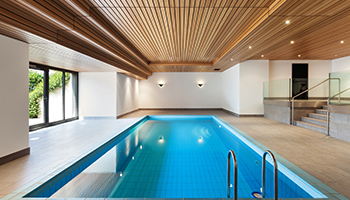
When you ignore aging outdoor electrical connections, water ingress and microscopic insulation fractures quietly transform your backyard relaxation space into an immediate life safety hazard. Subsurface moisture corrodes conductors, destabilizes grounding pathways, and leads to stray electrical currents leaking into pool water or spa shells. Securing certified pool & hot tub wiring in Northampton eliminates these invisible dangers before faulty insulation causes catastrophic equipment failure or lethal voltage transfer. Delaying professional electrical assessments risks silent bonding degradation, costly equipment burnout, and hazardous shock scenarios that threaten everyone on your property.
The Critical Risks of Deferred Pool and Spa Electrical Maintenance
Ignoring compromised electrical infrastructure around water features produces cumulative, compounding damage throughout your entire electrical distribution system. Water constantly searches for paths through degraded conduits, corroding terminal lugs inside pump housings and causing erratic ground faults that trip breakers without warning. When hot tub heaters and circulation motors run on oxidized, heat damaged lines, the resistance spikes dramatically, accelerating wire breakdown and burning out expensive circuit boards.
You must address deferred electrical maintenance immediately to maintain equipment longevity and protect swimmers from stray current exposure. Leaving sub-par or outdated connections exposed across fluctuating seasonal temperatures creates several severe systemic failure points:
- Continuous current leakage that saturates surrounding moist soil and energizes metal coping, ladders, and handrails.
- Unchecked galvanic corrosion that dissolves bonding clamps and severs the copper grounding network beneath pool decking.
- Thermal damage at junction boxes from loose terminals that triggers sustained electrical fires behind hot tub access panels.
- Motor winding destruction resulting from sustained voltage drops across undersized or water damaged branch conductors.
Our licensed electricians provide Specialized Pools & Hot Tubs Solutions to isolate, diagnose, and permanently resolve these hidden failure points across residential properties.
National Electrical Code Standards for Pool and Spa Installations
Article 680 of the National Electrical Code governs the installation of electrical wiring and equipment in, around, or adjacent to swimming pools, fountains, and hot tubs. The Commonwealth of Massachusetts enforces strict compliance with these safety provisions under 527 CMR 12.00, the Massachusetts Electrical Code. Compliance requires precise calculation of feeder loads, continuous inspection of conduit runs, and rigorous verification that every conductive component maintains unified electrical potential. When homeowners invest in Northampton: Professional Electrical Services Tailored to You, technicians examine every junction box, conduit penetration, and disconnect switch against current local and state regulatory requirements.
Regional weather extremes compound these strict code requirements. Hampshire County soils retain significant winter moisture that exerts hydraulic pressure against buried electrical conduits during deep seasonal freezes. Surrounding municipalities such as Hatfield and Westfield face identical ground shifting challenges that fracture brittle, non-compliant underground installations. Licensed contractors ensure all conduits utilize Schedule 80 PVC or rigid metallic conduit where physical vulnerability exists, guaranteeing your pool systems meet rigorous safety tolerances under full mechanical and environmental stress.
Equipotential Bonding Systems Versus Standard Equipment Grounding
Homeowners often confuse equipment grounding with equipotential bonding, yet each system serves an entirely distinct physical purpose in pool and hot tub safety. Equipment grounding creates a low-impedance fault path directly back to your service panel, ensuring that an overcurrent protection device or breaker trips instantly when a hot wire contacts metallic equipment. Grounding alone, however, cannot protect a swimmer suspended in water from microvolt voltage differentials caused by stray ground currents or remote electrical anomalies.
Equipotential bonding creates an intentional, continuous electrical grid connecting all metallic components within five feet of the inside pool wall. Technicians install a solid, bare number eight American Wire Gauge copper conductor connecting pool reinforcement rebar, pump motor housings, ladder sockets, and underwater lighting niches. This physical mesh ensures that all conductive surfaces maintain identical electrical potential simultaneously, eliminating voltage differentials that could cause electric current to traverse a swimmer body. Without a professionally certified equipotential bonding grid, stray voltage from residential appliances or distribution lines can produce terrifying shocks even when pool breakers remain completely off.
Dedicated Circuits and Disconnect Specifications for Northampton Properties
Modern spa equipment packs and variable-speed pool circulation pumps require dedicated, isolated branch circuits sized specifically to peak operational amperages. Attempting to power a multi-stage hot tub heater and dual therapy jet pumps on shared household circuits causes chronic thermal overloads, premature component failure, and hazardous nuisance tripping. Electrical safety codes mandate a visible, accessible emergency maintenance disconnect switch installed within sight of the water feature.
National and local codes require this emergency disconnect switch to sit at least five feet horizontally from the water edge to prevent individuals from reaching it while immersed, yet no farther than fifty feet away for rapid emergency accessibility.
| Equipment Category | Standard Voltage | Required Circuit Amperage | Disconnect Placement Standard |
|---|---|---|---|
| Residential Inground Pool System | 240 Volts | 50 to 60 Amps | Between 5 and 50 feet, direct line of sight |
| High-Output Acrylic Spa | 240 Volts | 50 to 60 Amps | Between 5 and 50 feet, direct line of sight |
| Aboveground Seasonal Pool Pump | 120 / 240 Volts | 15 to 20 Amps | Accessible, protected, minimum 5 feet away |
| Dedicated Waterline Sanitation System | 120 / 240 Volts | 15 to 30 Amps | Enclosed within auxiliary equipment pad |
Selecting reliable equipment configurations requires comprehensive evaluation from specialists who provide Precision Electrical Services tailored specifically to your home service capacity and backyard geography.
Ground Fault Protection and Electric Shock Drowning Prevention

Ground Fault Circuit Interrupters act as primary defense systems against fatal electrical accidents in aquatic environments. Class A GFCI devices constantly monitor the delicate balance between incoming ungrounded conductors and returning grounded neutral conductors. When an imbalance as small as four to six milliamperes occurs, the sensor interrupts the circuit in approximately twenty-five milliseconds, stopping dangerous current flow before it can trigger cardiac fibrillation.
According to comprehensive research conducted by the United States Consumer Product Safety Commission, dozens of preventable shock-related drownings and non-fatal aquatic electrical shocks occur nationwide each year due to faulty underwater lights, aging junction boxes, and missing or malfunctioning GFCI protection. Water amplifies muscular paralysis, meaning minor electrical currents that would merely tingle on dry land can completely immobilize a swimmer, resulting in Electric Shock Drowning. Protecting your family requires strict adherence to multiple critical safety layers:
- Installation of dedicated Class A GFCI breakers inside weather rated auxiliary distribution panels.
- Routine mechanical testing of GFCI test and reset functions at the beginning of each operating month.
- Total elimination of standard, non-GFCI protected utility outlets within twenty feet of the pool coping.
- Integration of isolated low-voltage transformers for all submersible LED and incandescent pool light niches.
Homeowners in nearby communities who need local assistance can consult a dedicated Pool Electrician in West Springfield to ensure their recreational installations meet identical life-saving protection standards.
Underground Conduit and Trenching Requirements in Western Massachusetts Soils
Trenching electrical feeder lines requires precise depth adherence to protect high-voltage lines from surface impacts, frost upheaval, and routine lawn care accidents. The National Electrical Code specifies exact burial depths based on conduit material: non-metallic rigid Schedule 40 or 80 PVC requires a minimum of eighteen inches of cover, whereas direct-burial UF cable demands twenty-four inches, and rigid metal conduit requires six inches of protective cover.
In western Massachusetts, varying soil conditions demand experienced local handling. Rocky, compact subsoils common in elevated terrain near Ashfield present severe physical obstruction risks that can pinch or tear buried cables during backfilling. In Northampton and the lower Pioneer Valley riverbeds, high water tables saturate trenches and accelerate chemical corrosion against unapproved metallic fittings. Electricians must lay continuous warning ribbons twelve inches above conduits and install expansion fittings on vertical PVC risers to absorb the ground expansion and contraction caused by seasonal sub-zero temperatures.
Panel Capacity Upgrades and Service Sizing for Luxury Spas
Adding a modern sixty-amp luxury spa to an older residential electrical panel often pushes household demand beyond safe operational limits. Many historic and mid-century homes in Northampton operate on older 100-amp or 150-amp main services that already support central air conditioners, electric ranges, and modern appliances. Attempting to add fifty or sixty amps of continuous thermal and pump load without a proper load calculation risks persistent main breaker overloads and structural fire hazards within the main service panel.
Before hooking up high-demand spa equipment, a professional technician conducts a comprehensive NEC demand-load calculation. If your existing panel lacks physical space or sufficient electrical capacity, you must upgrade to a 200-amp or 400-amp main panel service or install a subpanel dedicated to exterior leisure systems. Electrical Experts inspects your primary service, upgrades outdated components, and installs secure subpanels engineered for heavy inductive loads. Take immediate action to protect your home and loved ones. Reach out to our master technicians through our Contact Us page or conveniently Schedule Online today, or call us directly at 413-276-4787 to arrange an on-site safety inspection.
Frequently Asked Questions
How far must a hot tub disconnect switch be from the water?
The National Electrical Code mandates that a hot tub disconnect switch must sit at least five feet horizontally from the inside water edge. It must also remain within sight of the spa and no farther than fifty feet away. This positioning prevents anyone from reaching the disconnect while wet while allowing rapid emergency access.
Why does my pool pump or hot tub breaker keep tripping?
Breakers trip due to operational overloads, failing motor windings, or active ground faults caused by moisture inside electrical junction boxes. If a GFCI breaker trips instantly upon activation, moisture or damaged wiring insulation has created an unsafe ground leak. You must keep the breaker off until a certified electrician inspects the circuit.
Can I run my hot tub on a standard outdoor extension cord?
Never run a hot tub on an extension cord under any circumstances. Extension cords create massive voltage drops that ruin heating elements and circulation motors while creating severe fire and electrocution hazards. All hot tubs require hardwired dedicated circuits or manufacturer-supplied cords with integrated GFCI modules plugged into dedicated, weather-rated outlets.
What is equipotential bonding and why is it mandatory?
Equipotential bonding connects all metallic pool components, rebar grids, and equipment casings together using a continuous solid copper conductor. This configuration ensures every surface maintains an identical electrical potential, eliminating stray voltage across conductive elements. Bonding protects swimmers from subtle voltage gradients that standard breakers cannot detect.
How deep must an underground conduit be buried for a pool?
Non-metallic conduits such as Schedule 40 or 80 PVC require a minimum burial depth of eighteen inches from the top of the pipe to finished grade. Direct-burial wiring without conduit requires at least twenty-four inches of cover to prevent accidental shovel punctures. Rigid metal conduits can sit at six inches when permitted by local municipal codes.
Do I need a panel upgrade before installing a new hot tub?
You need a panel upgrade if your existing electrical service cannot support the sixty-amp continuous load required by modern multi-pump spa systems. Homes with 100-amp service panels frequently require a service upgrade to 200 amps to prevent dangerous panel overheating. An electrical load calculation determines whether your existing panel can safely accommodate the spa.
