


Core Principles of Smoke Detector Installation in Bernardston Homes
You face distinct fire protection challenges when maintaining a home in Franklin County. Many residences in Bernardston feature historic architecture, legacy balloon framing, or outdated electrical infrastructure that falls short of contemporary safety expectations. Installing dependable alarms requires more than sticking battery units onto plaster ceilings; you need a hardwired, interconnected network engineered to alert your family immediately during a thermal emergency. Through Bernardston: Reliable Electrical Experts at Your Service, property owners gain direct access to professional installations designed to address structural quirks while elevating early warning coverage.
Modern residential fire defense focuses on system cohesion, sensory precision, and unwavering reliability. When you upgrade your warning devices, you establish a resilient safety perimeter throughout every living level. You eliminate the vulnerability of dead batteries and uncoordinated responses by adopting professional standard operating procedures. A modernized safety baseline delivers four fundamental advantages:
- Unified Whole-House Warning: Hardwired interconnectivity ensures that an event detected in the basement instantly sounds every alarm in the home.
- Reduced False Triggers: Advanced optical chambers differentiate between cooking steam and genuine smoldering synthetic materials.
- Continuous Secondary Power: Sealed ten-year lithium backup batteries sustain alarm operation during severe winter power outages.
- Code-Compliant Protection: Comprehensive placement satisfies strict Massachusetts residential fire codes before real estate transactions or inspections.
Massachusetts Fire Safety Regulations and Compliance Mandates
Massachusetts enforces some of the most rigorous residential fire safety standards in the United States under 527 CMR 1.00. The specific mandates governing your property depend heavily on the year the structure was built or substantially renovated. Homes constructed before 1975 permit certain battery-powered configurations, but state law requires photoelectric technology within twenty feet of kitchens and bathrooms to suppress nuisance alarms. Properties constructed after 1997 mandate 120-volt AC hardwired units with battery backups interconnected across every level, bedroom, and hallway. Homes permitted after 2008 require carbon monoxide integration and secondary voice evacuation technology.
When selling your property or completing major permitted remodeling, the Bernardston Fire Department conducts an on-site Certificate of Compliance inspection. Failing this inspection stalls real estate closings and exposes occupants to significant life safety liabilities. Choosing professional Effective Smoke Detector Installation ensures full alignment with state revisions and local enforcement standards. Licensed electricians inspect existing wiring pathways, calculate panel loading, and position detectors to satisfy state thresholds while securing prompt approval from municipal inspectors.
Ionization Versus Photoelectric Technology: Sensor Trade-Offs
Understanding detector sensor physics helps you select the correct equipment for each area of your house. Ionization sensors utilize a small radioactive source to ionize air particles inside a sensing chamber, reacting rapidly to fast-flaming fires fueled by paper, wood, or grease. However, ionization models generate frequent false alarms from harmless kitchen vapors, prompting frustrated homeowners to disable them entirely. Photoelectric detectors utilize an optical beam and light scattering sensor, detecting slow-smoldering fires originating in upholstery, mattresses, or concealed wall wiring hours before flames erupt.
The Commonwealth of Massachusetts prohibits standalone ionization alarms within twenty feet of culinary areas or bathrooms due to their nuisance trip frequency. Modern safety engineering favors dual-sensor units or strategically combined photoelectric smoke and electrochemical carbon monoxide alarms to deliver comprehensive detection across multiple fire categories without irritating false activations.
| Sensor Technology | Primary Fire Target | Nuisance Trip Risk | Optimal Installation Area |
|---|---|---|---|
| Photoelectric | Slow, smoldering fires in synthetic materials and fabrics | Very Low near kitchens and steam sources | Hallways, living rooms, bedrooms, and basements |
| Ionization | Fast-moving, roaring fires in dry timber and paper | High when exposed to humidity or cooking smoke | Utility spaces away from steam and kitchen zones |
| Dual Sensor (Optical/Ion) | Both rapid flaming and slow smoldering events | Moderate depending on kitchen proximity | Central hallways and open residential foyers |
| Combination Smoke/CO | Combustion smoke and toxic carbon monoxide gas | Very Low with microprocessor analysis | Immediate vicinity of all sleeping quarters |
Hardwired Interconnection Protocols and Electrical Infrastructure
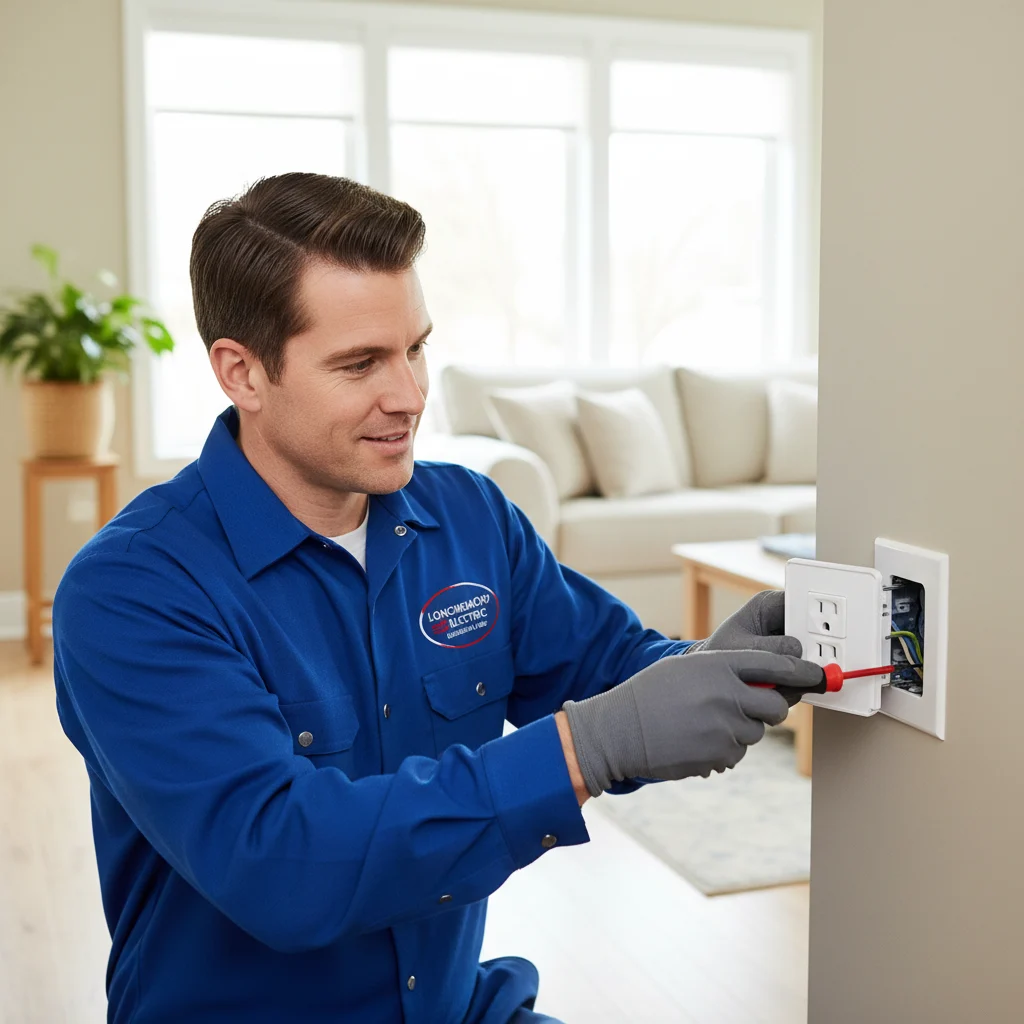
Hardwired interconnection forms the foundation of modern residential life safety. In a hardwired network, a dedicated three-wire conductor circuit, typically 14/3 nonmetallic sheathed cable, ties every device together. Two conductors supply uninterrupted 120-volt electrical power, while the third yellow or orange traveler wire transmits a nine-volt direct current communication pulse. The moment an individual unit detects elevated combustion particulate, it sends an electrical impulse along the traveler line, triggering every connected horn throughout the home simultaneously within fractions of a second.
Retrofitting hardwired lines through historical rural homes presents wiring challenges that require specialized technique. Experienced technicians navigate timber-framed structures, finished lath and plaster walls, and multi-tier additions without inflicting destructive drywall damage. Whether your property is situated in Bernardston or surrounding communities like Westhampton, Easthampton, Belchertown, or Ludlow, modern building standards require interconnected signaling. When integrating advanced home enhancements such as Efficient EV Charger Installation, certified technicians can balance existing panel capacities while establishing dedicated alarm branch circuits that remain operational under variable electrical demands.
Auditing Residential Electrical Systems for Life Safety Compliance
According to comprehensive research published by the National Fire Protection Association, working smoke alarms cut the risk of dying in reported home structure fires by roughly fifty-five percent. The NFPA emphasizes that almost three out of every five home fire fatalities result from fires in properties with no smoke alarms or alarms that failed to operate properly. Dead or disconnected batteries represent the leading cause of system failure in fatal incidents. This reality underscores why professional diagnostic reviews of your entire electrical system remain essential.
An alarm system operates only as reliably as the underlying electrical distribution network powering it. Aging service panels, overloaded branch circuits, loose neutral bars, or outdated cloth-jacketed wiring undermine system integrity and produce phantom alarms or complete failure. Scheduling Comprehensive Home Safety Inspections before mounting new hardware ensures your service equipment maintains proper voltage, reliable ground paths, and appropriate arc-fault circuit interrupter protection. Technicians methodically examine key electrical safety factors:
- Dedicated Circuit Integrity: Verifying alarms connect to uninterrupted general lighting circuits to prevent accidental shutoffs.
- Panel Enclosure Loading: Evaluating electrical load balance to ensure steady branch voltage during grid disruptions.
- Grounding and Bonding: Testing electrical continuity to suppress external power surges that could destroy sensitive microprocessors.
- Device Age Verification: Removing detectors exceeding ten years of service due to sensor degradation and particulate accumulation.
- Backbox Anchorage: Securing flush electrical junction boxes that seal ceiling penetrations against thermal draft bypass.
Strategic Placement and Acoustic Coverage Across Multi-Level Properties
Proper acoustic mapping guarantees that alert tones wake sleeping occupants regardless of door positions or mechanical background noise. National Fire Alarm and Signaling Code NFPA 72 requires smoke alarms inside every bedroom, outside each separate sleeping area within twenty-one feet of any bedroom door, and on every habitable level including basements. For split-level layouts without an intervening door between levels, alarms on the upper level provide sufficient coverage, though mounting alarms on both levels maximizes your escape window.
Mounting geometry directly influences sensor efficiency. Smoke rises toward the ceiling and spreads horizontally. You must position ceiling-mounted detectors at least four inches away from side walls, avoiding dead air corners where wall-to-ceiling thermal boundaries prevent smoke from circulating into the chamber. If you mount units on walls, place them between four and twelve inches below the ceiling level.
Navigating Complex Architectural Layouts and High Ceilings
Bernardston homes featuring cathedral ceilings, open loft architecture, or exposed post-and-beam timbers demand specialized mounting calculations. On sloped, peaked, or gabled ceilings, install alarms within three feet of the peak, measured horizontally, but never within four inches of the apex point itself. Deep timber pockets trap rising thermal currents, requiring auxiliary units along structural beams to ensure swift detection before smoke stratifies beneath colder air cushions below high rooflines.
Securing Professional Installation and Upgrades with Electrical Experts
Upgrading your residential fire defense demands certified electrical knowledge, code familiarity, and clean workmanship. Electrical Experts delivers complete alarm installation, whole-home rewiring, and safety integration designed specifically for properties throughout Western Massachusetts. We eliminate installation guesswork, run concealed wiring with minimal structural impact, and ensure your configuration passes municipal inspections on the initial evaluation. Protect your property, safeguard your family, and secure dependable early warnings through licensed professionals who prioritize absolute precision.
Take charge of your residential safety today. Schedule Online to select an appointment that fits your routine, or explore our services and direct inquiries through our Contact Us page. For direct assistance and prompt answers to your electrical questions, call Electrical Experts at 413-276-4787.
Frequently Asked Questions
How often should you replace smoke detectors in Bernardston?
You must replace smoke detectors every ten years from their manufacturing date stamped on the back of the unit. The internal electronic sensors degrade over time, diminishing their ability to detect combustion gases reliably. Even hardwired alarms require full unit replacement after a decade of continuous service.
Why does my hardwired smoke alarm chirp intermittently?
Intermittent chirping usually indicates a depleted backup battery, dust accumulation inside the sensor chamber, or temporary electrical voltage drops. Clean the unit thoroughly with compressed air and replace the secondary battery immediately. If the chirping persists after battery replacement, the unit has reached its ten-year expiration and requires replacement.
Does Massachusetts require carbon monoxide detectors in every home?
Yes, Nicole’s Law mandates carbon monoxide detectors in all Massachusetts residences containing fossil-fuel equipment or enclosed parking garages. You must install alarms on every habitable level and within ten feet of all sleeping areas. Combination smoke and carbon monoxide detectors streamline compliance while minimizing ceiling clutter.
Can you interconnect wireless smoke alarms with existing hardwired units?
Yes, certified electricians can integrate specialized bridge modules that allow wireless radio-frequency alarms to communicate seamlessly with existing hardwired circuits. This hybrid approach enables you to expand coverage into finished rooms without tearing down finished plaster walls. The entire network triggers together whenever an emergency occurs.
What should you do if your alarm triggers while you are cooking?
Never disconnect the wiring harness or remove the backup battery to quiet a cooking nuisance alarm. Press the hush button on the face of the detector to silence the sound temporarily while ventilating the area. If your kitchen triggers alarms regularly, hire a licensed electrician to relocate the unit or replace it with an optical photoelectric model.
Will my hardwired smoke detectors function during a severe power blackout?
Yes, all modern hardwired smoke alarms feature internal backup batteries designed to keep the units fully active during electrical outages. Models equipped with ten-year sealed lithium batteries provide uninterrupted protection throughout prolonged winter storms without requiring annual battery swaps. The secondary power engages automatically the moment primary alternating current supply cuts out.
