
When winter brings frigid temperatures to Springfield, many homeowners constantly adjust the thermostat, hoping to coax cozy warmth into every corner of the house. Despite their best efforts, cold spots linger near the floor, warmth gathers unused at the ceiling, and energy bills often creep higher than expected. Rather than relying solely on your heater, consider how ceiling fans can help. When used thoughtfully, ceiling fans can effectively improve heat distribution, increase comfort, and boost energy efficiency. If you’ve wondered why rooms stay unevenly heated or how ceiling fans can change your winter experience, this detailed guide will give you the answers you’re looking for.
Why Does Warm Air Get Trapped Near Ceilings in Springfield Homes?
Winter in Western Massachusetts brings unique heating challenges, especially in homes with classic architectural styles. Warm air naturally rises due to thermodynamics, which means that when your furnace or heating system runs, heat often travels upward and collects under the ceiling. In houses with high ceilings, open stairwells, or multi-level spaces found throughout Springfield and Chicopee, this effect becomes more pronounced. The result is a frustrating imbalance—hot air stays above your head while the living space where you spend time remains uncomfortably cool.
Insulation and window quality also play important roles in heat retention. Many Springfield homes, especially older ones, have original single-pane windows or outdated insulation that can’t prevent drafts or heat loss. When warmth escapes through these weak points, it creates a cycle where the heated air rises even more rapidly, leaving cold air lingering down where comfort matters most. Common room layouts, from split-level ranches to colonial houses, often make it harder for heat to circulate naturally or evenly, further emphasizing this common winter problem.
These issues cause homeowners to turn up their heat and use space heaters, hoping to balance temperatures. Unfortunately, these approaches typically increase energy use without truly solving uneven warmth. Without strategic air circulation, rooms continue to feel inconsistent, and valuable warmth remains trapped overhead. Understanding why heat naturally rises and how home layout affects air movement is the first step to making positive changes with ceiling fans for heat distribution throughout your Springfield home.
How Does Reversing Ceiling Fan Direction Improve Winter Comfort?
Many people assume ceiling fans only help in the summer, but they can be one of your best tools for managing indoor comfort during cold weather. The key is using the blade direction switch. When set for winter, a ceiling fan spins clockwise (as viewed from below), drawing cool air upward and pushing warm air down along the walls and back into the occupied areas. This simple adjustment redistributes the hot air trapped near the ceiling, balancing the temperature throughout the entire room without creating uncomfortable drafts.
To make the switch, locate the small toggle on your fan’s motor housing. With the blades stopped, flip the switch to enable clockwise rotation. Once running on low, stand under the fan; you should sense gentle air movement without a direct breeze. This process helps reduce temperature differences between the ceiling and the floor, making rooms feel warmer without extra strain on your heating system.
Fans use minimal electricity, so you can leave them operating longer in winter than you might in summer. Many homeowners shy away from winter fan use because of uncomfortable wind chill. This issue is almost always the result of running the fan in the wrong direction or at too high a speed. With the right adjustment, you create a gentle recirculation that efficiently moves warmth where you want it.
What Are the Best Ceiling Fan Speeds and Settings for Winter?
Ceiling fan settings matter when you want to optimize heat distribution in the winter. Always choose the lowest speed that keeps warm air moving without producing a strong breeze. Fans running in clockwise mode on a low setting create subtle air circulation that helps warmth gently descend from the ceiling rather than blowing it around or away from you. With this setup, you avoid the wind-chill effect that can make a room feel cooler, not cozier.
Larger or open rooms in Springfield homes may require a slightly higher speed, but the goal remains minimal, steady airflow. When fans move too quickly, they disrupt comfort and can cause lightweight objects to shift—clear signals to dial things down. Most ceiling fans have distinct “low,” “medium,” and “high” settings. Start at “low,” then slowly increase speed if you still notice uneven temperatures at different heights in the room. Make adjustments gradually, since too much movement defeats the purpose of recirculating heat.
To find your home’s ideal configuration, test different settings and pay attention to comfort level, not just room temperature readings. If there are persistent drafts, cold spots, or the space still feels unbalanced, you may need to reconsider fan placement or upgrade your fixture. If you’re unsure, our team at Electrical Experts can review your options, assess your electrical setup, and make recommendations tailored to your unique space and comfort needs.
Can Ceiling Fans Lower Heating Costs During a Springfield Winter?
Using your ceiling fan correctly in winter doesn’t just boost comfort—it can reduce your monthly heating expenses. By ensuring warm air doesn’t gather inefficiently at the ceiling, you keep more usable warmth in spaces where people gather, allowing you to lower your thermostat without feeling colder. According to the U.S. Department of Energy, ceiling fans set to winter mode can help you reduce thermostat settings by a few degrees. In a region like Springfield, where winter heating costs can be significant, those few degrees translate into real savings.
Ceiling fans support your HVAC system by recirculating heat, which reduces the amount of time your furnace or boiler needs to run. Without added air movement, heating systems often work overtime as thermostats in cold areas continue to call for heat, even when warm air is stuck near the ceiling. In multi-story homes, fans help balance temperatures across floors, minimizing the need for space heaters or constant thermostat adjustments. This effect is especially noticeable in older homes or buildings with tall ceilings.
Consistent use of ceiling fans for heat distribution rarely results in higher electric bills, as fan motors consume little energy. Instead, you may notice improved comfort and lower gas or oil bills after just a few weeks of proper use. For homeowners tracking energy expenses throughout winter, combining ceiling fan upgrades with energy-efficient electrical improvements—like new thermostats or insulating upgrades—further maximizes both savings and comfort.
Do Ceiling Fans Work for Heat Distribution in High Ceilings and Open Floor Plans?
Open layouts and tall ceilings—features common in many Springfield homes—challenge even the most efficient heating systems. In rooms like vaulted living areas, open kitchens, or loft spaces, warm air collects high above the living area, making it difficult for traditional systems to evenly heat the entire room. Standard ceiling fans mounted close to the ceiling often fall short, as the warm descending air doesn’t reach down far enough to have a noticeable effect at floor level.
The solution is to choose the right fan size and placement. Larger fans, sometimes with blades as wide as 60 inches, generate enough airflow to circulate warmth throughout large spaces. Using a downrod positions the fan closer to the occupied area, extending its effectiveness. Some households benefit from installing multiple fans strategically placed throughout an open living area, creating a gentle, widespread flow that reaches every corner.
Older Springfield homes often feature non-standard layouts or architectural quirks. In these cases, a professional evaluation can help determine the best solution—whether it means using multi-speed fans, installing additional downrods, or selecting models specifically designed for large rooms. At Electrical Experts, we help homeowners assess room shape, electrical readiness, and fan model choices to ensure every space enjoys even heat no matter how high the ceilings or open the floor plan.
What Common Mistakes Should You Avoid When Using Ceiling Fans for Heat Distribution?
Making the right adjustments to your ceiling fan can make a big difference in comfort and savings, but a few common mistakes often get in the way. Choosing the wrong fan direction is the most frequent issue. If the blades spin counterclockwise in the winter, the fan pulls warm air up and pushes cold air down into the living space, which causes discomfort instead of improved warmth. Always check your fan’s direction at the start of the cold season and switch to clockwise for the best results.
Another issue is setting the fan speed too high. When the fan turns too quickly, the breeze it creates produces a cooling effect—the opposite of what you want in the winter. Stick with the lowest speed possible that still moves air. Don’t assume that higher is better when it comes to circulating heat in winter. You’ll see better results with a slow, gentle flow that subtly redistributes warmth without creating noticeable drafts.
Maintenance and room setup also influence fan performance. Dirty blades, loose mounts, and outdated bulbs can all limit circulation or cause safety hazards. Make a habit of inspecting the fan for dirt, unbalanced blades, or improper installation. Arrange furniture so it doesn’t block airflow from the fan, and check that bulbs are both compatible with the fixture and energy-efficient for year-round use. If you encounter persistent issues or are unsure about installation or adjustments, contacting a local professional ensures your fans operate safely and effectively through the cold months.
How to Safely Add or Upgrade Ceiling Fans for Better Winter Comfort
Installing new ceiling fans or upgrading existing ones can dramatically improve heat distribution and comfort, especially in the colder months. However, safety and compatibility with your home’s electrical system should always come first. Older Springfield homes may not support the weight or wiring requirements of modern ceiling fans. Before starting a project, check for proper electrical junction boxes, confirm adequate wiring, and evaluate the amperage of the circuit that will power the fan. These precautions help prevent future hazards and ensure dependable, trouble-free fan operation.
Fan size, mounting style, and room usage should guide your selection. For rooms with high ceilings, use longer downrods to position the fan at the right height. In kitchens, bathrooms, or enclosed porches where moisture is present, choose models rated for damp conditions. Consider additional features like remote controls, energy-efficient motors, or integrated lighting for rooms that require extra convenience. Seeking advice from a knowledgeable electrician helps ensure your choices match your home’s structure and energy needs.
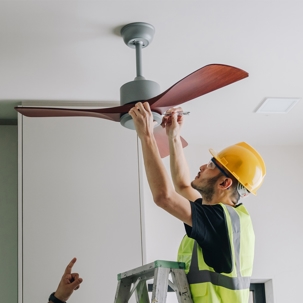
The professionals at Electrical Experts use proven installation techniques and best practices—arriving in uniform, wearing shoe covers, and protecting your property while they work. Installing, replacing, or upgrading ceiling fans involves more than simply attaching a fixture; correct wiring, secure mounting, and thorough cleanup guarantee both safety and satisfaction. By entrusting upgrades to experienced technicians, you avoid common missteps and lay the groundwork for comfortable, efficient winters in every room.
When Should You Call a Springfield Electrician for Ceiling Fan Issues?
Knowing when it’s time to consult a local electrician about ceiling fan heat distribution in your Springfield home can prevent small issues from becoming major headaches. Flickering lights, noisy operation, or wall switches that fail to control the fan are all signs that something may be wrong with either the fan or your home’s electrical system. Persistent wobbling, even after adjusting the blades, can indicate an installation issue or imbalanced blades. Addressing problems early helps keep your household safe and your energy bills in check.
It’s also wise to seek professional guidance before making major changes, such as replacing a light fixture with a ceiling fan or retrofitting a fan where no ceiling fixture exists. Springfield’s mixture of housing styles and ages means unique complications—older wiring, limited attic access, or out-of-date circuit capacities may require solutions tailored to your home’s needs. Local electricians are familiar with area codes and can recommend improvements to support both comfort and long-term safety.
At Electrical Experts, our trained team makes every effort to deliver clear pricing, transparent communication, and protective measures that keep your property clean and undamaged. Relying on local Springfield professionals ensures that your ceiling fan projects are handled efficiently, with respect for your schedule, your home, and your safety. If you notice concerning signs—or simply want to explore the benefits of adding or upgrading ceiling fans—reach out to discuss your options with technicians you can trust.
Extra Tips for Maximizing Warmth and Efficiency in Western Massachusetts Homes
Getting the most from ceiling fans in winter involves layering smart strategies throughout your home. Start by pairing ceiling fans with programmable thermostats to maintain comfort without constant manual adjustments. Set the thermostat to lower temperatures at night or when no one is home, relying on gentle fan operation to distribute heat and minimize cold spots during waking hours. This coordination increases comfort while helping you manage heating costs.
Utilize timers or smart fan controllers, especially in infrequently used rooms. Setting a schedule for your fans prevents energy waste and ensures fans don’t run when they’re unnecessary. If you have high ceilings or multiple living spaces, consider synchronized fan operation for balanced temperatures in larger zones. Look for local rebates or incentives—Mass Save and similar programs in Western Massachusetts often provide credits toward the purchase of energy-efficient ceiling fans or other upgrades, allowing you to save money while improving your home.
Rearrange furniture to prevent blocking circulation pathways, and address window or door drafts that sap valuable warmth. Periodically inspect fan blades and ensure lighting components remain clean and efficient. Scheduling regular maintenance for your heating and electrical systems always pays off, preventing costly surprises and maximizing reliability all winter long. For guidance, support, or to explore how ceiling fans can transform your winter heating strategy, contact the team at Electrical Experts at (413) 276-4787. We’re honored to be part of the Springfield community, and we’re here to help your family enjoy a warmer, more comfortable winter every year.