
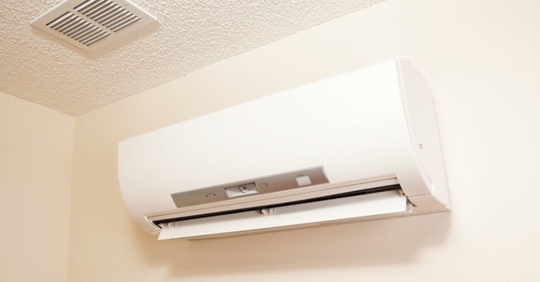
Maintaining your mini split system is one of the smartest moves you can make to secure year-round comfort in your Springfield home. Regular maintenance improves energy efficiency, extends system lifespan, and protects indoor air quality from dust, pollen, and humidity—especially important in the varied climate we experience locally. If you value reliability and want to avoid emergency breakdowns when you need cooling or heating most, it’s well worth learning a few essential maintenance steps to keep your system running smoothly.
What Routine Cleaning Tasks Help Your Mini Split Last Longer in Springfield?
Taking care of your mini split requires regular attention to both indoor and outdoor units. Indoor air filters catch dust, pollen, and pet hair, but if they’re neglected, these particles can block airflow and reduce your system’s efficiency. Clean or replace filters every one to three months to keep air moving and avoid strain on your mini split. To do this safely, turn off the system at the remote and breaker, remove the front panel, and gently lift the filters out. If your filters are washable, rinse them under cool running water and let them dry completely before reinstalling. Avoid using strong detergents, which can damage filter material and shorten their usable life.
The outdoor condenser also needs routine maintenance. In Springfield, leaves, grass clippings, and windblown debris accumulate around the unit, especially during the fall and after storms. Clear a two-foot radius around the condenser every month, and use a hose on low pressure once or twice per year to rinse pollen and dust off the coils. Never use high-pressure water or harsh cleaners, as these can damage delicate fins and reduce system performance. Keeping this area clear not only helps airflow but also reduces the risk of overheating and costly repairs.
Finally, wipe down the indoor unit’s exterior and adjustable louvres monthly using a soft microfiber cloth. This prevents visible buildup and keeps surfaces from harboring allergens or germs. Consistent cleaning routines, matched to Springfield’s seasonal challenges, offer the best way to ensure your mini split delivers long-term comfort and dependable operation.
How Do Springfield’s Seasons Impact Mini Split Maintenance Schedules?
Springfield’s four distinct seasons each present maintenance challenges for your mini split. In early spring, high pollen levels can clog air filters in just a few weeks. Homeowners should inspect their systems more frequently during these months, especially if anyone in the family has allergies or asthma. After heavy rain or wind, check both indoor and outdoor equipment for debris or signs of water invasion that might impact operation.
During the hot, humid summers typical in Springfield, your mini split runs harder and faces the risk of increased condensation. Excess moisture inside the system can encourage mold or mildew growth if not managed with regular filter and drain line cleaning. Inspect the drain lines for blockages, and run the unit on a dehumidifying setting if your model offers one. Outdoor units can become surrounded by fast-growing grass or weeds, so trim the area regularly and ensure nothing wraps around the exterior housing.
Autumn brings falling leaves and airborne dust, which quickly gather around condensers. Make removing this debris part of your yard maintenance routine to keep the vents clear. In winter, check for snow accumulation around and on top of the outdoor unit after each storm, and clear away ice promptly to prevent airflow restrictions or mechanical strain. By preparing for each season, you minimize wear on your mini split and maximize your comfort year-round.
What Are the Safest Steps to Clean Mini Split Filters, Coils, & Blower Components?
Before starting any cleaning task, shut down your mini split completely by turning off the remote and disconnecting power at the breaker. Carefully remove the front panel and lift out the air filters, being cautious not to shake contaminants into the system. For washable filters, rinse thoroughly with cool water, shaking off excess moisture before placing them in a shaded spot to dry fully. If filters appear stained or contain mold, a gentle HVAC-approved detergent can be used. Never force filters back into place until they are fully dry.
Coils and blower wheels inside your mini split collect dust over time, which can affect output and efficiency. If dust is visible, it’s safe to wipe it away with a clean microfiber cloth, taking care not to bend the delicate coil fins. There are cleaners designed for HVAC evaporator coils that break down grime without leaving a residue, but avoid regular household chemicals or stiff brushes, which can introduce problems or void your warranty.
When it comes to blower components, stick to visible dusting. Avoid reaching deep into the unit or disturbing electrical components unless the manufacturer specifically allows homeowner access. For extensive buildup, stubborn odors, or signs of biological growth, contact a Springfield technician for a detailed professional cleaning. These steps protect you from electrical hazards and help you maintain warranty compliance as you keep your system running at its best.
What Should You Do If Your Mini Split Has Odd Smells or Noises?
Strange odors from your mini split signal the presence of mold, bacteria, or, in some cases, refrigerant leaks. Musty or sour smells usually mean mildew has formed on the evaporator coil or in the drain pan, a common result of high summer humidity or infrequent filter changes. Sweet or chemical odors can mean refrigerant is leaking—stop using your system immediately if this occurs and schedule a service visit, as refrigerant issues pose health risks and environmental dangers.
Noisy operation is another warning sign homeowners in Springfield report, especially during peak cooling or heating periods. Buzzing, rattling, or clicking often points to loose panels, misaligned blower wheels, or debris caught in the fan. If you can access these areas safely, check for visible obstructions and gently tighten any accessible screws or clips. Avoid using your mini split if grinding or squealing sounds develop, as these can indicate failing bearings or motors that require prompt service to prevent greater damage.
Monitor your system closely for a change in the character, location, or volume of unwanted odors or noises. Take note of when issues occur—such as during startup, when switching modes, or when the weather changes—and relay this information to your service provider. Early action keeps small problems from growing into major repairs and helps you resolve issues before they impact health or comfort.
When Is It Time to Call a Professional for Mini Split Repair or Service?
Some mini split problems require a trained service technician for diagnosis and repair. If your system consistently fails to heat or cool as expected, emits error codes, or turns off without explanation, avoid DIY troubleshooting beyond basic filter cleaning. Loss of airflow, visible ice buildup anywhere on indoor or outdoor components, or puddles of water beneath the indoor unit signal refrigerant, sensor, or drainage issues that require technical knowledge and proper tools to repair safely.
Sudden changes in energy bills without a clear cause, unexplained increases in household humidity, and unresolved odors all suggest deeper mechanical or electrical faults. Trying to address these yourself not only risks permanent damage but might void your product warranty. Choose a Springfield-based service provider who understands common local issues and can perform thorough inspections backed by documentation for manufacturer warranties.
Annual service visits help prevent many common repair needs. A qualified technician will verify electrical panels safety, test refrigerant levels, and check for early signs of component wear, keeping your mini split system reliable in every season.
Will DIY Mini Split Maintenance Affect My Manufacturer Warranty?
Most mini split warranties allow homeowners to perform basic cleaning tasks such as filter washing and keeping the outdoor unit clear of obstructions. Always record each maintenance session, keeping receipts, logs, and photos as added backup. Anything more invasive—opening sealed parts, cleaning deep coils, or touching electrical circuits—should be completed only by a licensed, certified technician. This preserves your coverage and keeps you in compliance with manufacturer specifications.
Some manufacturers require scheduled, professional inspections (annually or semi-annually) to validate coverage. Missing these required appointments can reduce or void your warranty. When in doubt, review your instruction manual, warranty paperwork, or ask a trusted service provider in Springfield to explain which tasks you can safely perform and which are best left to credentialed professionals.
By following approved maintenance routines and keeping meticulous records, you ensure your system stays protected. When servicing your mini split, be proactive in sharing your documentation with your service provider at each appointment. This creates a clear service history, maximizing your coverage and bringing peace of mind.
How Can You Improve Mini Split Energy Efficiency in Springfield Homes?
Boosting energy efficiency with your mini split involves a combination of regular maintenance, smart usage habits, and home improvements. Clean filters and coils allow your system to move air freely, decreasing run time and utility costs. Set a recurring reminder to check and clean filters monthly, especially during periods of heavy pollen or significant indoor activity like remodeling or pets shedding heavily.
Address drafty doors, windows, and poor insulation—frequent issues in older Springfield homes. Weatherproofing steps like sealing window gaps, insulating attics and walls, and closing off unused rooms lighten the load on your mini split, enabling it to maintain steady temperatures with less energy. Simple changes such as using blackout curtains in summer to block sunlight, or insulating outdoor lines before winter, also contribute to lower bills.
Explore your mini split’s programmable features. Many units offer scheduling, energy-saving modes, or targeted zone control, making it easy to adjust usage for when the home is vacant or specific rooms are not in use. If you notice unexpected spikes in your electric bill, consult a professional for a home energy assessment and to discuss optimal settings. Practical steps like these add up to greater comfort and savings through every Springfield season.
What Safety Steps Should You Take During DIY Mini Split Maintenance?
Working safely is essential when handling any part of your mini split. Always disconnect power by using both the remote control and the main electrical breaker before removing covers or touching internal parts. Place a sturdy step stool or ladder beneath high-mounted units to prevent falls, and never reach over your head with slippery hands or on unstable surfaces. Wear protective gloves and keep the area well-lit to avoid accidents and improve visibility as you work.
Steer clear of any internal wiring or sealed refrigerant lines, as these areas demand special tools and technical know-how. Handling them can lead to electric shock, refrigerant leaks, or costly damage. Rely on qualified professionals for any service involving electrical connections or refrigerant. Read your owner’s manual thoroughly before attempting maintenance, and follow all manufacturer-recommended precautions.
When using cleaning sprays or chemicals, choose only those labeled for HVAC use, and always ventilate your workspace. Avoid using any flammable or corrosive household cleaners—these can damage your mini split and introduce hazards to your home. Responsible, well-prepared maintenance ensures you, your family, and your system stay safe year-round in Springfield.
How to Find Reliable Mini Split Service Technicians in Springfield, MA
Securing prompt, trustworthy service for your mini split is easier when you know what to look for in a Springfield contractor. Verify that any provider you contact is properly licensed, carries insurance, and has a history of satisfied local customers. Ask whether technicians undergo ongoing training and background checks—a best practice followed by Electrical Experts, helping foster safety and peace of mind for every client visit.
Look for clear, detailed information about warranty coverage, repair guarantees, and service policies before booking an appointment. Top providers make it easy to understand what protections exist on both workmanship and the mini split equipment itself. Choose a company that prioritizes timely, respectful service, such as offering a one-hour appointment window, uniformed technicians, and careful floor protection on every job site. This level of professional care helps keep your property clean and your system running smoothly.
Finally, always weigh a company’s responsiveness. Round-the-clock emergency service, fast callbacks, and flexible scheduling show a commitment to Springfield customers facing urgent needs. The team at Electrical Experts is proud to uphold these standards throughout Hampden County. For reliable, experienced help with your mini split, get in touch today at (413) 276-4787 and enjoy continuous comfort and safety in your home.