
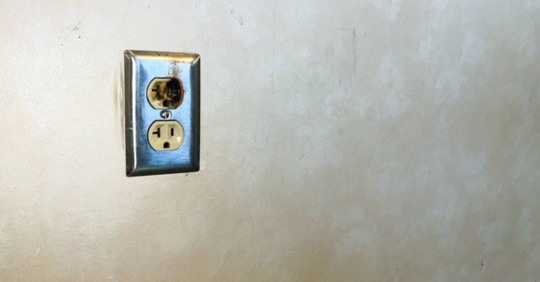
In today’s tech-driven world, protecting your electronic devices and appliances is more important than ever. A whole-house surge protector is a smart investment for homeowners who want to safeguard their electronics from unexpected voltage spikes. But what exactly are power surges, and why is robust protection necessary? This guide explores the causes of power surges, the benefits of installing a whole-house surge protector, and practical tips for choosing a qualified professional to keep your home safe.
Understanding Power Surges and Their Impact
What Causes Power Surges?
Power surges are sudden, unwanted increases in voltage that can damage or destroy electronic devices. They can originate from both external and internal sources:
- External causes: Lightning strikes, power grid fluctuations, or utility issues can send excess voltage into your home.
- Internal causes: High-powered appliances like air conditioners, refrigerators, and washing machines can create brief spikes in your home’s electrical system.
Even minor surges that occur frequently can slowly degrade electronics over time. While a lightning strike might be a dramatic event, the small, repeated surges from everyday appliances can be just as harmful in the long run, shortening the lifespan of costly devices and increasing energy inefficiencies.
The Hidden Costs of Power Surges
Many homeowners don’t realize that power surges can quietly erode the performance of electronics. A slightly weakened circuit might not fail immediately, but it can lead to:
- Appliances that run less efficiently, using more energy
- Electronics that malfunction intermittently, causing frustration and repair costs
- Devices that eventually fail prematurely, requiring replacement
Addressing power surges proactively with a whole-house surge protector helps prevent these hidden costs and maintains the long-term reliability of your electrical system.
Signs You Need a Surge Protector
Some common indicators that your home could benefit from a whole-house surge protector include:
- Frequent flickering or dimming lights
- Tripped breakers or blown fuses
- Recurrent appliance malfunctions or failures
- Burnt-out plugs, scorched outlets, or singed wiring
If you notice any combination of these signs, it’s likely that your home’s electrical system is vulnerable to voltage spikes.
Benefits of Installing a Whole-House Surge Protector
Comprehensive Protection for Electronics
Unlike individual power strip surge protectors, a whole-house system safeguards every device connected to your electrical panel. This includes stationary appliances, hard-to-reach electronics, and even devices plugged into outlets you might not use daily. By protecting your entire electrical system, you’re ensuring that no device is left exposed to potentially damaging surges.
Financial Savings and Increased Home Value
The financial benefits of a whole-house surge protector go beyond preventing appliance repairs. A major surge can damage not only electronics but also components of your home’s electrical system, leading to expensive repairs. Additionally, having a professionally installed surge protector may improve insurance considerations and can make your home more appealing to buyers who appreciate the added layer of protection.
Enhanced Safety and Peace of Mind
Surge protectors contribute significantly to home safety. Electrical surges can lead to shorts, sparks, and even fires if left unchecked. By neutralizing excess voltage before it reaches your devices, a whole-house surge protector minimizes these risks. Homeowners gain peace of mind knowing their family and property are protected, allowing them to focus on daily life without worrying about hidden electrical threats.
How Whole-House Surge Protectors Work
A surge protector monitors incoming voltage and reacts when it detects sudden spikes. Three key terms help explain how they function:
- Clamping voltage: The voltage threshold at which the device starts redirecting excess electricity.
- Surge capacity: The total amount of energy the protector can absorb at once.
- Response time: How quickly the protector reacts to dangerous voltage.
Surge protectors safely dissipate excess energy, often as heat, ensuring that all connected devices continue to receive steady, safe power. This technical process happens instantly, preventing both immediate damage and the slow wear that can reduce the lifespan of electronics.
Types of Surge Protectors
There are several types of whole-house surge protectors:
- Meter-based: Installed at the electrical meter, providing robust protection at the home’s perimeter.
- Service entrance: Connected to the main panel, protecting all circuits throughout the home.
Choosing the right type requires a professional assessment of your home’s electrical system, including panel capacity, existing wiring, and specific needs for protection.
Maintenance and Lifespan
Like any important safety device, surge protectors require maintenance. Most units last between 5–10 years, but regular inspections by a licensed electrician can identify wear or performance decline early. Proactive maintenance ensures uninterrupted protection and prevents costly electrical damage.
Choosing the Right Professional
Finding a Qualified Electrician
Not all electricians are equally experienced with whole-house surge protectors. When selecting a professional, look for:
- Proper licensing and industry certifications
- Demonstrated experience with whole-house installations
- References or examples of past work
Cost and Expectations
Installation costs depend on your electrical system’s complexity and the type of surge protector installed. Discuss potential service interruptions, expected timelines, and equipment costs upfront to avoid surprises and ensure a smooth process.
Warranty and Service Agreements
Warranties often cover the surge protector and, in some cases, connected devices. Understanding your service agreement ensures ongoing support, quick troubleshooting, and long-term confidence in your investment.
Common Misconceptions and FAQs
- Myth: Surge protectors are only necessary in storm-prone areas.
- Fact: Internal surges from everyday appliance use can occur anywhere and may cause cumulative damage.
- Myth: Surge protectors are ineffective.
- Fact: Professionally installed protectors offer substantial defense, extending the life of your electronics and appliances.
FAQs
- Can I install a surge protector myself? While possible, professional installation ensures safety and code compliance.
- Do surge protectors affect electricity bills? No, they do not consume power.
- Are there different levels of protection? Yes, it’s important to select a model appropriate for your home’s electrical system.
If You're Interested In Whole-House Surge Protection, Call Electrical Experts
Protecting your home from unpredictable power surges is a proactive step that enhances safety, safeguards electronics, and reduces long-term costs. Professional surge protection installation ensures that your home is fully prepared to handle voltage spikes, giving you peace of mind every day.
Call Electrical Experts today at (413) 276-4787 or send us a message online.