
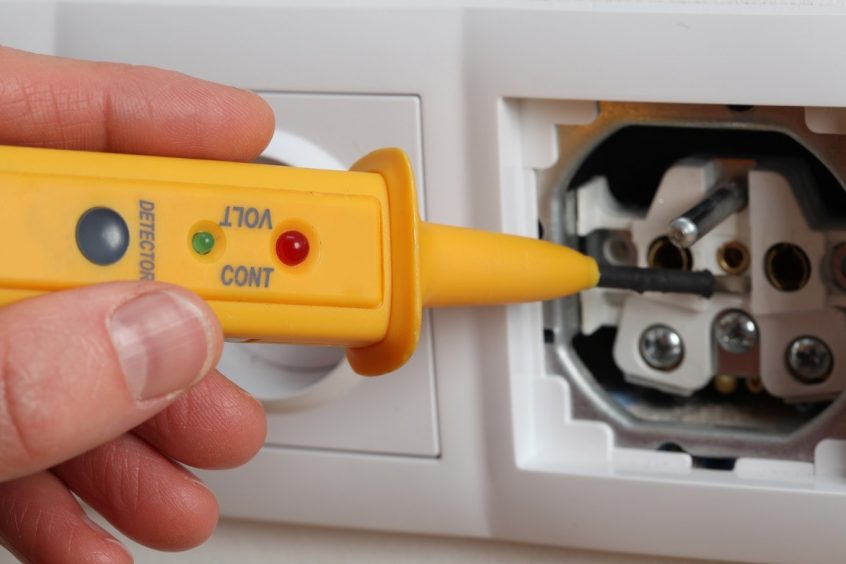
You protect your family and real estate when you schedule professional home safety inspections before hidden electrical faults escalate into structural fires. In Ashfield, telling a competent electrical provider from an inexperienced one comes down to technical rigor, specialized diagnostic equipment, and an intimate understanding of rural power grids. An inferior contractor walks through your rooms, flips a few switches, and tests two or three accessible wall plugs. A superior electrician conducts a comprehensive physical and diagnostic examination of your entire electrical framework, evaluating service entrance conductors, panel thermal balance, grounding resistance, and hidden branch circuits under actual load.
Core Hallmarks of Quality Home Safety Inspections in Ashfield
When you hire an electrical professional in Franklin County, you must demand a methodical diagnostic process rather than a quick visual sweep. Substandard contractors often treat an inspection as an opportunity to deliver high pressure sales pitches for unnecessary equipment. By contrast, a high caliber electrician provides transparent findings backed by measurable readings and physical diagnostics. Exceptional contractors bring specialized tools to the evaluation, including infrared thermal imagers to detect overheated connections, digital multimeter instruments to evaluate line voltages, and circuit analyzers to locate high resistance splices. They open your primary electrical panel, check every individual breaker, evaluate conductor sizing against overcurrent ratings, and verify that your system aligns with modern National Electrical Code standards. To separate qualified specialists from hasty handymen, look for providers who execute these critical verification protocols:
- Thermal imaging scans across the entire panel busbar and overcurrent breakers to isolate abnormal thermal signatures.
- Physical evaluation of hidden conductors within attics, basements, and unconditioned crawlspaces.
- Trip time testing in milliseconds on all ground fault and arc fault protective devices across every circuit.
- Direct measurement of utility service drop clearances, exterior meter bases, and grounding electrode connections.
- Clear diagnostic documentation containing annotated photographs, code references, and prioritized remedial recommendations.
Evaluating Historic Wiring and Rural Power Vulnerabilities

Ashfield features historic colonial properties, expanded farmsteads, and secluded hillside residences that present distinct wiring challenges. Older regional structures frequently contain legacy wiring materials, such as early knob and tube conductors, ungrounded two conductor cloth cables, and deteriorating rubber jacketed lines. Decades of unpermitted remodeling by prior owners frequently leave dangerous splices hidden inside ceiling cavities, loose junction boxes lacking protective cover plates, and circuits overfused with oversized breakers to stop nuisance tripping. Investing in Comprehensive Home Safety Inspections ensures that a certified electrician detects these obsolete materials before you place substantial electrical demands on old copper. Rural distribution networks also expose local properties to severe voltage fluctuations during peak demand periods. Long utility feed lines traveling through dense woods experience dropped phases, physical line slap, and tree limb interference. A comprehensive audit examines the physical attachment point of your service drop, the integrity of your weatherhead, and the condition of the main service entrance cable to prevent moisture intrusion from corroding your main breaker lugs.
Electrical Service Panels and Overcurrent Protection Standards
Your main electrical load center acts as the core safety barrier for your household. When an overcurrent breaker fails to trip during a severe ground fault or direct short, circuit conductors heat instantly and ignite dry structural timber. Research published by the National Fire Protection Association reveals that electrical distribution and lighting failures cause approximately 44,800 residential structure fires each year, producing hundreds of civilian casualties and exceeding one billion dollars in property damage. A reliable inspector removes the panel deadfront cover to inspect internal busbar connections, measure phase voltages under load, and verify torque levels on high current lugs.
Identifying Hazardous Legacy Panels
Many homes across western Massachusetts still operate obsolete distribution equipment, including Federal Pacific Electric Stab-Lok panels and Zinsco load centers. These discontinued panels contain critical engineering flaws where breakers bind mechanically and fail to disconnect power during extreme overloads. A thorough evaluation tests breaker seating, verifies that equipment grounding conductors stay separated from neutral conductors in remote subpanels, and calculates total household amperage usage to ensure your 100 amp or 200 amp service adequately handles your current daily consumption.
Grounding Electrode Systems and Surge Protection Requirements
Ashfield properties face significant lightning exposure and utility switching surges due to high ridge elevations and remote overhead electrical lines. An effective grounding electrode network directs hazardous voltage spikes safely into the earth rather than through your appliances. Technicians inspect the grounding conductor path, verifying solid mechanical bonds to copper ground rods, buried metallic water supply lines, and structural foundation rebar. Rocky regional soils often impede proper grounding, requiring two interconnected driven ground rods to achieve safe resistance levels. Combining heavy duty grounding with whole home surge suppression protects expensive heat pumps, variable speed well pumps, and sensitive computer electronics from persistent degradation. Property owners researching Ashfield: Comprehensive Electrical Solutions can compare standard protective mechanisms below:
| Protection Device | Primary Function | Code Mandate | Inspection Frequency |
|---|---|---|---|
| Grounding Electrode | Dissipates high voltage grid surges and lightning | NEC Article 250 | Every 3 to 5 years |
| GFCI Receptacles | Prevents fatal electrical shock in wet locations | NEC Article 210.8 | Monthly self test / Annual pro audit |
| AFCI Breakers | Detects dangerous arcing to prevent structural fires | NEC Article 210.12 | Monthly self test / Annual pro audit |
| Type 2 Surge Protector | Clamps incoming transient utility voltage spikes | NEC Article 242 | Annual operational inspection |
Regular evaluation of these integrated components guarantees that utility anomalies dissipate harmlessly into the soil instead of damaging your expensive mechanical systems and appliances.
Branch Circuit Integrity and Moisture-Prone Zone Safeguards
Bathrooms, kitchens, outdoor decks, and subterranean utility basements present severe electrical shock dangers due to moisture and grounded plumbing fixtures. A dedicated safety inspection verifies that your Ground Fault Circuit Interrupter units trip reliably within safe millisecond intervals when exposed to minor ground leakage. In historic residences, ungrounded convenience outlets are often replaced improperly with three slot receptacles without real ground wires or upstream GFCI protection, creating dangerous shock risks for residents. Modern building safety codes also mandate Arc Fault Circuit Interrupters across living quarters to identify and eliminate hazardous sparking before sparks contact attic insulation or wall framing.
- Confirming rapid tripping action between four and six milliamperes on all kitchen, bathroom, and outdoor receptacles.
- Checking functional mechanical shutters on tamper resistant receptacles within living areas accessible to young children.
- Assessing dedicated circuits powering critical basement sump pumps to prevent unwanted tripping during rapid snowmelt seasons.
- Inspecting exterior outlets, detached garage subpanels, and garden outbuildings for approved weatherproof enclosures.
- Verifying correct twenty amp conductor gauges on kitchen countertop appliance circuits to prevent line overheating.
Environmental and Seasonal Stressors on Western Massachusetts Electrical Systems
Ashfield endures intense seasonal weather extremes ranging from freezing winter blizzards to humid summer thunderstorms. These rapid shifts subject residential wiring systems to intense expansion, contraction, and mechanical strain. Heavy winter ice accumulations drag down tree branches onto overhead utility service drops, loosening structural wall anchors and pulling electric meter enclosures away from exterior walls. Unconditioned basement spaces also cultivate damp ambient air that causes severe rust, terminal oxidation, and sticking breaker mechanisms inside load centers. While urban centers such as Springfield, Holyoke, Westfield, and Agawam benefit from rapid municipal restoration services and compact utility grids, rural properties must frequently maintain independent emergency power for multiple days. A detailed safety assessment examines manual and automatic generator transfer switches, interlock assemblies, and outdoor power inlet boxes to ensure safe operation without backfeeding high voltage into municipal utility lines. Inspectors also verify that rodent activity has not chewed branch conductors inside cold attic spaces.
Preventative Electrical Maintenance and the Value of Ongoing Audits
Prudent homeowners understand that proactive electrical evaluations prevent expensive emergency repairs, safeguard expensive home technologies, and preserve eligibility for property insurance payouts. Latent electrical failures develop gradually over multiple seasons, including loose neutral terminations that overheat silently and aged wire insulation that cracks under the continuous electrical load of modern induction ranges and vehicle charging equipment. Enrolling in the Experts Advantage Plan provides structured annual evaluations, prioritized emergency service, and documented testing records that protect property resale values over time. Choose Electrical Experts when you require precision diagnostic testing from seasoned regional professionals. Our team delivers thorough inspections and code-compliant installations throughout western Massachusetts. Protect your residence today by calling 413-276-4787 or use our convenient portal to Schedule Online. You can also send an inquiry through our direct Contact Us form to speak with an experienced technician about your property.
Frequently Asked Questions
How often should I schedule an electrical safety inspection for my home?
You should arrange a thorough inspection every three to five years for modern homes, and every one to two years for residences older than forty years. You also need an evaluation immediately before purchasing a property or when adding high demand equipment like electric vehicle chargers.
What is the difference between a specialized electrical inspection and a general home inspection?
A general home inspector performs a superficial visual overview of visible fixtures without disassembling critical equipment. A specialized electrical inspection involves opening the main service panel, measuring actual electrical loads, testing trip thresholds, and evaluating internal circuit components using diagnostic tools.
How long does a full home electrical inspection take?
A comprehensive evaluation usually takes between two and four hours depending on the total square footage, age, and complexity of your home. Properties with multiple subpanels, outbuildings, or historic wiring require additional time for detailed circuit tracing.
Will the electrician need to shut off power to my entire house during the inspection?
The technician completes most diagnostics while your electrical system remains fully energized under standard household load. A brief service interruption lasting fifteen to thirty minutes is necessary when the technician inspects main panel busbars and tests overcurrent protection devices.
What are the most common electrical safety violations found in older properties?
Inspectors routinely discover ungrounded three slot outlets, active knob and tube wiring buried under attic insulation, and open junction boxes without safety covers. Other frequent hazards include double tapped circuit breakers and overloaded twenty amp circuits wired with undersized fourteen gauge wire.
Can an electrical safety inspection help lower my residential insurance premiums?
Many insurance carriers offer discounts when you verify that your home contains modern electrical panels, active surge suppression, and functioning arc fault protection. Providing an official inspection certificate confirms that your home meets current safety codes, which lowers your underwriting risk.