

Whole-home surge protection intercepts excess electrical voltage right at your primary service panel before high-energy transients reach your sensitive appliances. The process works through continuous electrical monitoring. Specialized internal components called metal oxide varistors monitor incoming voltage across your alternating current lines. When line voltage spikes beyond the standard 120-volt threshold, these varistors switch from a high-resistance state to a low-resistance pathway within nanoseconds. This sudden shift diverts dangerous current down your electrical system grounding conductor and away from household appliances. Once line voltage returns to normal, the system resets instantly without cutting power to your home. Installing whole-home surge protection in Williamsburg creates an essential shield against sudden utility surges, lightning strikes, and internal motor cycling.
Core Operating Concepts of Panel-Mounted Surge Protective Devices
Surge protective devices utilize advanced solid-state materials to regulate alternating current and defend residential circuits against overvoltage conditions. When high voltage enters your electrical distribution center, the device functions as an automatic pressure relief valve for electrical energy. Voltage clamping occurs almost instantaneously, suppressing transient spikes before the wave can complete a single alternating current cycle. Understanding how your protective hardware functions helps you identify the technical capabilities required to guard your sensitive equipment.
- Metal Oxide Varistors: Highly conductive zinc oxide pellets that dynamically drop electrical resistance when system voltage exceeds safe clamping levels.
- Clamping Voltage Rating: The precise overvoltage limit where the protective device starts actively conducting current to the earth ground.
- Nanosecond Response Speed: Specialized switching architecture that engages in less than one billionth of a second to neutralize incoming energy spikes.
- Thermal Disconnect Fuses: Failsafe mechanisms that isolate degraded varistors during sustained overvoltage events to eliminate panel fire risks.
- Phase-to-Neutral Dissipation: Dedicated pathways that equalize electrical voltage differential across all current-carrying conductors simultaneously.
These components work synchronously inside your electrical panel to suppress dangerous transients. Without this immediate clamping response, excess voltage forces its way through your household wiring, burning through microprocessors and melting delicate internal solder traces.
Grid Fluctuations and Environmental Exposure in Western Massachusetts
Homes throughout Western Massachusetts face unique electrical grid demands due to changing weather patterns, heavy forest canopies, and localized infrastructure configurations. Williamsburg properties regularly experience power line disruptions caused by fallen tree limbs, seasonal windstorms, and rapid freeze-thaw cycles that destabilize utility lines. When the regional utility provider restores electrical service or re-routes grid transmission, large inductive switching surges roll across residential neighborhoods. Similar electrical stress impacts homeowners across Granby, Longmeadow, Bernardston, and broader Hampden County.
These rural and suburban distribution lines carry significant exposure to atmospheric lightning strikes, even when storms hit several miles away. Lightning does not require a direct hit on your roof to cause catastrophic electronic failure. Cloud-to-ground strikes induce strong electromagnetic fields in nearby utility distribution wiring, creating high-energy voltage spikes that travel down service drops directly into unshielded panels. Upgrading your property through Williamsburg: Your Professional Electrical Services Destination ensures your home electrical panel features the robust physical suppression equipment necessary to counter these regional environmental hazards.
Microprocessor Degradation and Industrial Research on Transient Surges
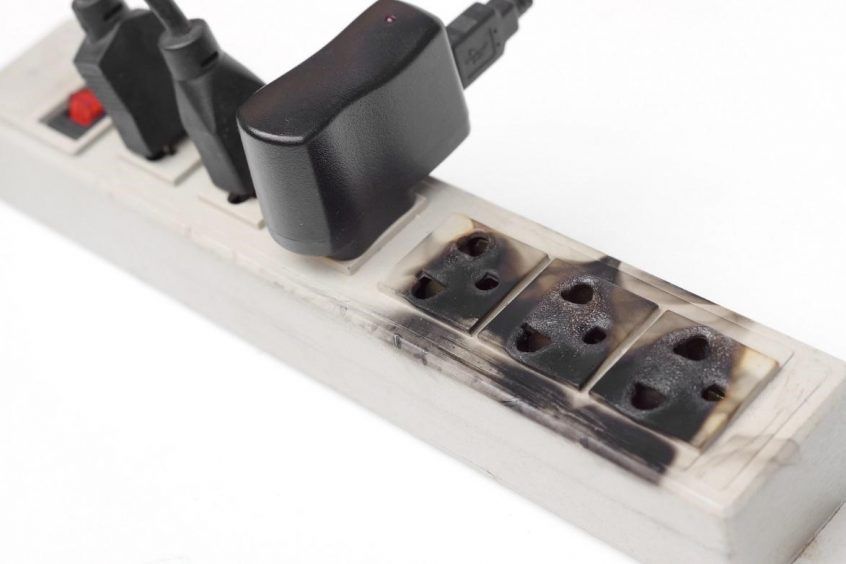
Most electrical surges do not originate from dramatic outdoor lightning storms. Authoritative research from the National Institute of Standards and Technology (NIST) demonstrates that up to 80 percent of transient overvoltages occur from inside the home. Everyday household equipment with inductive motors, such as air conditioning compressors, refrigerators, well pumps, and power tools, generate recurring voltage spikes whenever their motors cycle on and off.
These micro-transients deliver hundreds of minor voltage spikes into your household wiring every single day. While a single small surge rarely trips a standard thermal-magnetic circuit breaker, the cumulative effect destroys delicate semiconductor layers over time. Research published by the Institute of Electrical and Electronics Engineers (IEEE) confirms that repetitive low-level voltage transients cause cumulative gate-oxide degradation in microchips. This continuous thermal stress explains why expensive modern appliances, smart televisions, and automated controls suddenly fail years before their projected operating lifespans.
Comparing Surge Protective Device Ratings and Installation Classes
Selecting the right protective hardware requires an understanding of how National Electrical Manufacturers Association (NEMA) standards and Underwriters Laboratories (UL 1449) categorize surge suppressors. Each device tier serves a dedicated mechanical function within an overall residential power structure.
| SPD Classification | Primary Service Location | Typical Clamping Voltage | Operational Purpose |
|---|---|---|---|
| Type 1 | External Meter Socket | 600V to 1000V | Counters utility-side surges and direct atmospheric strikes |
| Type 2 | Main Electrical Breaker Panel | 330V to 400V | Guards branch circuits from external grid and utility spikes |
| Type 3 | Wall Receptacle Point of Use | 330V | Absorbs localized spikes for delicate countertop electronics |
Type 1 suppressors mount between the utility pole drop and the main service disconnect, absorbing large external current surges before they hit your circuit breakers. Type 2 devices mount directly inside or adjacent to your main breaker panel, providing primary branch-circuit clamping for everyday appliance loads. Type 3 suppressors function as local plug-in strips, absorbing micro-transients generated within that individual circuit. Effective protection requires pairing these hardware tiers together so that each device handles the precise voltage threshold it was designed to neutralize.
Grounding Infrastructure and Panel Upgrades for Optimum Clamping
A surge protective device cannot operate successfully without an intact, low-resistance connection to the earth ground. Suppressors divert excess current away from electrical appliances by funneling it down the equipment grounding conductor to the ground rod system outside your home. If your ground rod exhibits high electrical resistance, or if internal bonding jumpers have corroded, the surge energy has nowhere to discharge and instead bounces back through your household branch circuits.
Older homes throughout Williamsburg often feature outdated 60-amp or 100-amp service panels that lack adequate grounding infrastructure or available breaker slots for a dedicated Type 2 device. Upgrading to Cutting-Edge Electrical Panel Solutions establishes the clean grounding plane, modern bus bar connections, and required space for proper suppressor installation. An updated electrical panel ensures your suppressor features minimal lead length, which drastically reduces voltage let-through during high-frequency transient events.
Implementing a Layered Defense Strategy Across Branch Circuits
Mastering total residential protection requires a coordinated, multi-stage engineering approach often described as cascading surge suppression. Relying strictly on basic power strips leaves hardwired appliances completely exposed to line voltage spikes. A comprehensive strategy covers every path of entry into your home electronics.
- Service Entrance Interception: Heavy-duty panel suppressors handle the bulk energy load of any massive incoming spike.
- Subpanel Defense: Dedicated suppressors protect detached garages, workshop circuits, or auxiliary electrical feeds.
- Low-Voltage Communication Lines: Specialized suppression blocks protect cable television lines, telephone wires, and ethernet drops from conducting surges.
- Point-of-Use Suppression: High-grade local plug-in units provide secondary voltage smoothing for ultra-sensitive computer setups and home entertainment systems.
By cascading your protective equipment, the heavy panel-level device absorbs 90 percent of incoming transient energy, leaving the remaining trace voltage for localized Type 3 suppressors to filter out effortlessly. This unified defense prevents high-energy bypass and preserves your high-value smart appliances.
Economic Return and Risk Mitigation for Homeowners
Modern residences contain thousands of dollars in interconnected microchips spread across heating systems, modern kitchen ranges, smart home hubs, and electric vehicle chargers. Replacing a single variable-speed motor control board on a high-efficiency furnace can easily cost more than twelve hundred dollars in parts and specialized labor. A catastrophic grid surge can simultaneously fry an induction range, an inverter refrigerator, and your home computer network, leading to thousands of dollars in immediate property losses.
Homeowners insurance policies frequently exclude or severely cap electrical surge claims unless you carry expensive, specialized appliance riders. Installing comprehensive Reliable Surge Protection Services drastically mitigates this massive financial vulnerability. The initial investment in panel-mounted hardware pays for itself the very first time an errant tree limb drops across local power lines or lightning strikes a nearby transmission pole.
Professional Installation Standards with Electrical Experts
Installing a Type 2 surge suppressor involves dangerous line-voltage work inside your primary service panel. Suppressors require double-pole breaker connections with the shortest possible lead lengths to minimize conductor inductance during high-frequency spikes. Our licensed technicians calculate panel loads, check bonding conductors, and test system ground resistance to ensure your protective hardware operates at peak factory specifications. Protect your electronic investments by partnering with experienced electrical professionals who understand local code standards and power quality challenges.
Ready to secure your home electronics against damaging power fluctuations? Contact Us today to evaluate your breaker panel, or simply Schedule Online to book an appointment with our master electricians. You can also reach our friendly team directly by calling 413-276-4787 to discuss the best whole-home surge defense solutions for your property.
Frequently Asked Questions
Do whole-home surge suppressors protect appliances from direct lightning strikes?
Direct lightning strikes carry millions of volts that can bypass any residential suppression device. Whole-home suppressors easily manage nearby ground strikes, induced line surges, and utility spikes that constitute almost all real-world electrical storm damage. Layering panel protection with point-of-use suppressors provides the greatest overall defense possible.
How long does a whole-home surge protector typically last?
Most residential surge suppressors maintain dependable operation for three to five years depending on regional power quality. Internal metal oxide varistors absorb continuous microscopic hits, slowly sacrificing their internal materials over time. Most modern units feature diagnostic light indicators or audible alarms that notify you when the device requires replacement.
Will circuit breakers protect my electronics without a surge device?
Standard circuit breakers protect your home wiring from continuous current overloads and short circuits that could start house fires. They react far too slowly to stop voltage surges that flash through circuits in tiny fractions of a millisecond. Surge suppressors react within nanoseconds, providing specialized high-speed protection that standard circuit breakers cannot offer.
Can I install a whole-home surge suppressor myself?
Installing a surge protective device requires direct work inside your primary electrical panel next to live service entrance conductors. Mistakes can cause severe electrical shock, arcing faults, or house fires. Licensed electricians must complete the installation to ensure proper wire routing, breaker sizing, and complete adherence to the National Electrical Code.
Why do I still need plug-in strips if I have panel protection?
Panel units capture major external utility surges and massive voltage spikes entering from outdoor power lines. However, internal home appliances like vacuum cleaners and air conditioning compressors also generate micro-surges across individual branch circuits. High-quality plug-in strips capture these internal transients, creating a coordinated two-tier defense system.
Does whole-home surge protection reduce my monthly electric bill?
Surge protection devices do not lower your monthly electricity consumption or utility charges. They function solely as safety hardware to divert destructive transient voltages safely to ground. Their financial value comes through preventing catastrophic electronic damage and significantly extending the lifespan of expensive appliances.